




Key Takeaways
- Site dimensions, operating conditions and existing infrastructure should guide stainless steel fabrication decisions.
- Material grades and finishes should suit the application, hygiene requirements and service environment.
- Broader fabrication, welding and engineering capabilities can simplify coordination across complex industrial projects.
- Custom fabrication provides a practical option when standard equipment cannot meet specific process or site requirements.
- Existing stainless steel equipment may be modified when its condition and changing operational requirements make adaptation suitable.
Suppliers that fabricate stainless steel need more than the ability to cut, weld and assemble equipment to a drawing. For industrial operations, experience across different applications and equipment types can be just as important when choosing a custom stainless steel fabrication partner.
Barry Brown & Sons brings over 50 years of experience in the industry, supporting businesses that require everything from a stainless water tank to purpose-built processing equipment. With experience in stainless steel fabrication in Australia across dairy, food processing, industrial and agricultural applications, we provide practical solutions built around each project’s requirements.
Custom stainless steel fabrication starts with the requirements of your operation.
A suitable fabricator should understand how the equipment will operate within your existing process. That includes production demands, available space, connection points, access requirements and the conditions the finished component must withstand. These factors need to be considered before you fabricate stainless steel for an industrial application.
Site conditions also influence industrial stainless steel fabrication decisions from the outset. Equipment may need to integrate with existing machinery, pipework, utilities or systems such as a water cooled water chiller, making accurate dimensions and connection points critical to the design.
Beyond that, material selection should reflect the application, operating environment, hygiene requirements and expected service conditions. For product-contact applications, this may include selecting suitable food-grade stainless steel, while other stainless steel sheet fabrication requirements can vary according to the equipment and its intended use.
It’s also critical to consider operating temperature, pressure, chemical exposure and cleaning processes, as these can affect material grade, wall thickness, weld specifications and surface finish. These conditions should be accounted for when you fabricate stainless steel equipment for reliable industrial use.
The right fabricator offers more than basic stainless steel work.
What stainless steel equipment and components can an industrial fabricator produce?
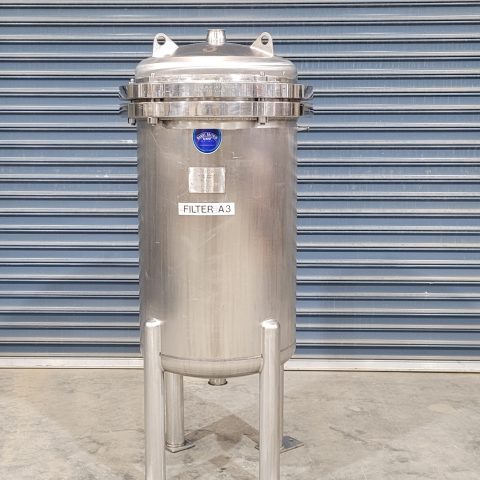
The ability to fabricate stainless steel extends to custom tanks, pipework, fittings, structural components, specialised processing equipment and purpose-built assemblies designed around a particular site or production process.
This can include equipment that works alongside processing and temperature-control systems, such as a liquid cooling chiller. The scope of available steel fabrication services ultimately depends on the fabricator’s capabilities and experience with your application.
The range of fabrication capabilities matters when you’re scoping a project. Some jobs call for a single replacement component, while others require custom metal fabrication for manufacturing equipment that integrates with existing processing, heating, cooling or cleaning systems.
As such, stainless steel fabricators in Australia need the appropriate experience and technical expertise to produce equipment that meets the practical requirements of the wider system.
Additional capabilities help streamline your projects.
Metal welding services, machining, assembly and fabrication expertise under one supplier allow components to be produced to specific project requirements. This can reduce the compromises involved when standard equipment needs to fit an existing layout or connect with surrounding systems.
A broader capability can also simplify coordination when components, fittings and assemblies need to function together as part of one industrial system. Metal engineering services can bring different areas of fabrication together rather than relying on multiple suppliers.
For processing applications, the ability to fabricate stainless steel can extend to specialised equipment with specific hygiene and material considerations. Food-grade stainless steel fabrication may be required for equipment such as a pasteuriser used in dairy, food or beverage processing.
Barry Brown & Sons provides custom fabrication for demanding industrial applications.
We can fabricate stainless steel for projects spanning tanks, fittings, heating and cooling systems, wash and CIP systems, and heat recovery equipment. Our capabilities also include sheet metal fabrication services, with equipment built or selected around specific processing and operational requirements.
We also support projects from initial requirements through design and manufacture, drawing on practical engineering experience developed over the decades. Expertise across refrigeration, fabrication and electrical work allows us to support equipment that forms part of systems.
Our experience covers dairy processing, food manufacturing, beverage and brewing, chemical processing, water treatment, industrial manufacturing and agriculture. This includes food-grade stainless steel equipment for processing environments and heavy-duty systems for demanding industrial applications.
For businesses that need to fabricate stainless steel for food processing equipment, our experience covers solutions designed around the needs of the specific application. This practical knowledge also allows us to provide guidance when customers need to source, modify or develop equipment for their operation.
Alongside custom fabrication, our experience with heating and cooling systems allows us to assist with broader process cooling needs. Businesses planning industrial cooling systems can also buy industrial chiller equipment to complement their wider processing setup.