







Key Takeaways
- Pasteuriser selection should reflect the product, throughput, thermal load, floor space and cleaning method.
- Equipment can remain unchanged when its capacity, controls and connections suit the production line.
- Modifications to pasteurisers can be made to suit existing pipework, tanks, chillers and controls.
- Custom fabrication can also accommodate products, layouts and processing that standard equipment cannot.
- Integrating pasteurisers with other equipment or systems requires compatible flow rates, pipe sizing, valve sequencing and drainage.
Choosing a pasteuriser that fits your production line means matching the equipment to your product type, heating and cooling demands, available floor space and cleaning setup.
Pasteurising equipment that doesn’t align with your operation creates problems from day one. From the product type and heating and cooling demand to the temperature controls, clean-in-place (CIP) solution or method and available floor space, many factors go into choosing your equipment. A mistake on any of these can lead to rework, lost production time, or unusable or discarded equipment.
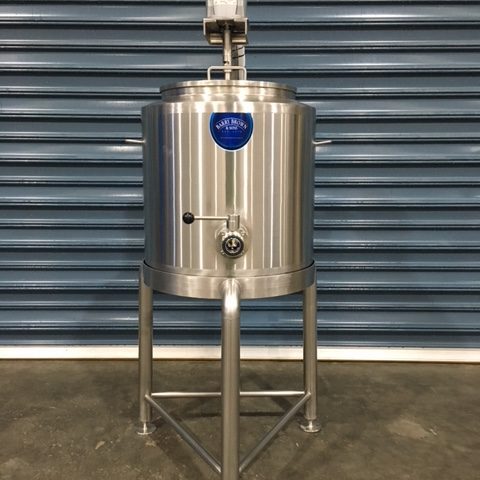
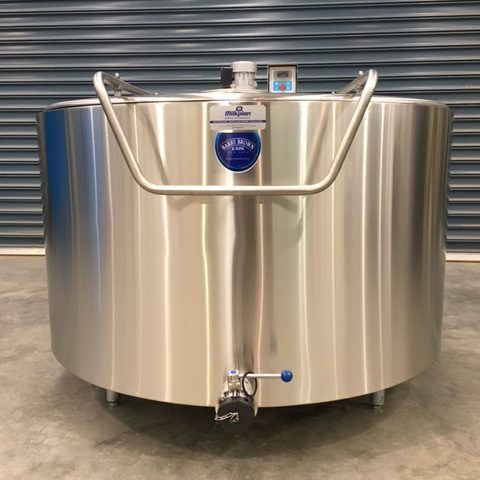
Barry Brown & Sons supplies and fabricates pasteuriser systems tailored to processing operations across Australia. We can customise or retrofit an existing pasteurising system so it fits your current operation, whether that means updating controls or increasing capacity to meet throughput.
Pasteurisers should fully match your process requirements.
Planning a pasteuriser installation means accounting for all supporting infrastructure, including whether a stainless water tank is needed to supply process or cooling water to the system.
A new custom pasteurisation system gives you greater freedom to specify the vessel size, connection points, control system and service access from the outset. When specifying a pasteurising system, it is worth considering how thermal energy storage solutions can help manage the heating and cooling loads that the process demands.
But before any work starts, the system’s condition, documentation, materials, legacy controls and compatibility with Australian site requirements need to be reviewed. You want to confirm these details up front before committing to the design of your pasteurisation equipment to reduce the risk of unexpected costs or compliance issues during installation.
Different pasteuriser options suit different processing needs.
You can use an existing pasteurisation system as it is if its capacity, temperature range, configuration and connections already meet your requirements.
A plate pasteuriser, for example, may already match the flow rates and thermal profile your line demands. If the equipment fits, there’s no reason to modify or replace it. By contrast, a pasteuriser is often dependent on precise temperature control during cooling, so many operations pair the equipment with glycol chillers suitable for the production load.
The system can also be customised when the main equipment is suitable but certain components need to be modified to integrate with existing tanks, chillers, pipework, controls or cleaning systems.
In these cases, the core unit works, but the connection points, control panels, or heating and cooling arrangements need to be adjusted so that the pasteurising system fits properly into your line.
On the other hand, custom fabrication may be more appropriate when standard heat treatment equipment cannot accommodate your product, batch size, available footprint or processing arrangement.
A continuous pasteuriser for liquid products is one example where standard units rarely suit the specific throughput, vessel geometry or flow path a facility requires. Because the system must maintain precise temperatures throughout the heating and cooling cycle, some facilities pair the equipment with a water-cooled water chiller to handle larger thermal loads efficiently.
Find the right pasteuriser solutions at Barry Brown & Sons.
We have supplied pasteurising systems and other stainless steel equipment since 1970 and can also fabricate stainless steel vessels, tanks and components to suit specific processing requirements.
From commercial pasteuriser units and pasteurising equipment for food and beverage production, each product we ship is ready to use as supplied, including units customised to suit existing operations and pasteurisers custom fabricated for more specialised applications.
Not only that, but we bring fabrication, refrigeration and electrical expertise under one supplier, making us well placed to deliver an industrial pasteuriser solution from start to finish. Whether the application calls for a milk pasteuriser or a liquid cooling chiller, the team can match equipment to your specific product and process.
If your dairy processing and pasteurisation equipment in Australia requires altered connections, revised vessel dimensions or updated control integration, our team can scope and deliver that work on site.